
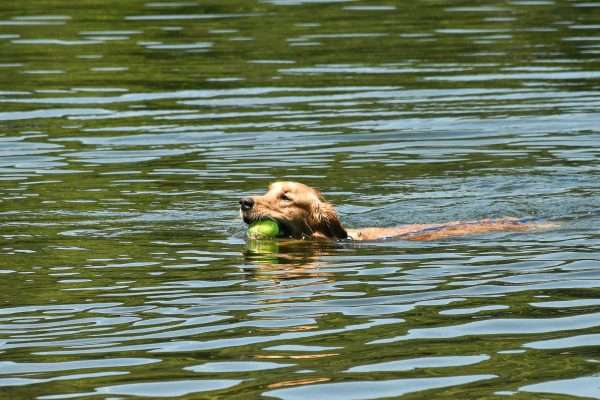
 There are few things better than spending a warm day at the lake with an active dog. Whether you share your life with an Australian Shepherd, Labrador Retriever, German Shorthaired Pointer, Border Collie, or another energetic breed, lakes offer a perfect combination of exercise, mental enrichment, and outdoor exploration. Swimming, retrieving, hiking shoreline trails, and simply experiencing new sights and smells can provide a level of physical and mental fulfillment that is difficult to match elsewhere.
However, a successful lake day requires more than tossing a ball into the water. Safety, proper equipment, hydration, tick prevention, and thoughtful activity planning all play important roles in ensuring your dog enjoys the experience while staying healthy and protected.
Here’s everything you need to know before heading to the lake with your canine adventure partner.
Why Lake Trips Are Great for Active Dogs
Many active dogs thrive when given opportunities to engage both their minds and bodies. A lake environment naturally encourages exploration, problem-solving, and exercise. Swimming provides an excellent low-impact workout that builds muscle, improves cardiovascular fitness, and reduces stress on joints compared to running on hard surfaces.
Water activities can be especially beneficial for senior dogs, dogs recovering from orthopedic injuries, and breeds that tend to overheat during intense summer exercise. The resistance of water creates a challenging workout while helping dogs stay cooler than they would during a long hike or game of fetch in a field.
The lake also provides valuable mental enrichment. New scents, wildlife, changing terrain, and unfamiliar environments stimulate a dog’s brain and help satisfy natural instincts to explore and investigate.
Essential Safety Gear for Every Lake Adventure
Before planning a day on the water, it’s important to invest in a few pieces of safety equipment designed specifically for dogs.
Dog Life Jackets
Even strong swimmers should wear a properly fitted life jacket in many situations. Open water can present challenges that dogs don’t encounter in swimming pools or backyard ponds. Waves, currents, fatigue, unexpected drop-offs, and long distances from shore can quickly turn a fun outing into an emergency.
A quality canine life jacket should fit snugly without restricting movement. Look for adjustable straps, bright colors for visibility, reflective accents, and a sturdy handle on the back that allows you to assist your dog back onto a boat, dock, paddleboard, or shoreline.
We use this one but there are many options available for all sizes and styles!
Life jackets are especially important for:
-
Puppies
-
Senior dogs
-
Flat-faced breeds
-
Dogs new to swimming
-
Dogs riding on boats, kayaks, or paddleboards
-
Dogs swimming in deep water
Floating Dog Platforms
Floating platforms have become increasingly popular among lake-loving dog owners. These sturdy platforms provide dogs with a place to rest after swimming, reducing fatigue and allowing them to safely re-enter the water when ready.
For active dogs that spend extended periods swimming or retrieving, a floating dock can significantly improve safety. It creates a designated recovery zone where dogs can relax without returning all the way to shore.
These platforms are particularly useful when spending the day boating or anchored away from the shoreline.
Trust me when I say platforms like these are a total game changer.
The next purchase may be one of these with space for me to lounge too!
Long Lines and Training Leads
A waterproof long line allows dogs to explore safely while maintaining control. This can be especially useful near boat launches, crowded beaches, wildlife habitats, or unfamiliar areas.
Long lines provide freedom while preventing dangerous situations involving watercraft, nesting birds, or other lake visitors.
The Best Lake Activities for Active Dogs
A lake offers far more than simple swimming. Mixing activities throughout the day helps prevent boredom while keeping your dog physically and mentally engaged.
Retrieve Games in the Water
Water retrieves are a classic lake activity for a reason. Swimming after a floating bumper or toy engages multiple muscle groups while satisfying many dogs’ natural retrieving instincts.
Use floating toys specifically designed for water play. Bright colors improve visibility and reduce the chance of losing toys in deeper water.
Avoid overdoing repetitive retrieves, particularly with high-drive dogs. Some dogs will continue retrieving long after fatigue sets in, increasing the risk of muscle strains and exhaustion.
Dock Diving Practice
If your dog enjoys jumping into the water, a safe dock or designated jumping area can provide an exciting outlet for athletic energy.
Always ensure water depth is appropriate before allowing any jumping activity. Never encourage dogs to leap into unknown water conditions.
Paddleboarding and Kayaking
Many active dogs enjoy accompanying their owners on paddleboards and kayaks. These activities provide a combination of balance training, confidence building, and environmental enrichment.
Start with short sessions in calm water. Allow your dog to become comfortable standing, sitting, and moving on the watercraft before venturing farther from shore.
A properly fitted life jacket is essential for these activities.
Shoreline Hiking
Many lakes feature miles of surrounding trails. Combining swimming sessions with shoreline hikes creates a well-rounded adventure that incorporates both aerobic exercise and scent-based mental enrichment.
Take regular breaks for water and avoid hiking during the hottest part of the day.
Nose Work and Exploration
Not every lake activity needs to be physically demanding. Simply allowing your dog to investigate driftwood, shoreline vegetation, and new scents can provide tremendous mental stimulation.
Exploration activities help satisfy natural canine behaviors and often tire dogs out as effectively as intense exercise.
Best Toys for a Day at the Lake
Choosing the right toys can dramatically improve your lake experience.
Floating Retrieval Bumpers
Floating bumpers are among the most durable water toys available. Their shape makes them easy to throw long distances, and many dogs find them easier to grab than balls.
Floating Discs
Water-friendly flying discs combine swimming with aerial retrieval skills. They are ideal for athletic dogs that enjoy tracking moving objects.
Choose flexible discs designed specifically for dogs to reduce the risk of mouth injuries.
Waterproof Tug Toys
A floating tug toy creates opportunities for interactive play before and after swimming sessions. Tug games can be a great way to redirect excited energy and strengthen engagement with your dog.
Floating Balls
Brightly colored floating balls remain a favorite choice for many dogs. Select models that are highly visible and large enough to avoid accidental swallowing.
These ChuckIt! balls are fantastic and durable!
Hydration Matters More Than Most Owners Realize
One common mistake at the lake is assuming dogs naturally stay hydrated because they are surrounded by water.
Many dogs swallow lake water while swimming, but this should never replace access to fresh drinking water. Drinking excessive lake water can cause gastrointestinal upset and, in severe cases, dangerous electrolyte imbalances.
Bring plenty of fresh water and offer it frequently throughout the day. Portable dog water bottles and collapsible bowls make hydration convenient during both hikes and swimming sessions.
Watch for signs of dehydration, including excessive panting, lethargy, dry gums, and reduced energy levels.
Protecting Your Dog From Heat and Sun Exposure
Even when swimming regularly, dogs can overheat during lake outings.
Plan activities during cooler morning or evening hours whenever possible. Provide access to shade and schedule rest periods throughout the day.
Dogs with thin coats, pink skin, or sparse hair coverage may be susceptible to sunburn, particularly on the nose and ears. Pet-safe sunscreen can help protect vulnerable areas during prolonged outdoor exposure.
Remember that excitement often masks fatigue. Many active dogs will continue playing despite becoming dangerously overheated.
Tick Prevention Is Essential Around Lakes
Lake environments frequently contain ideal tick habitat. Tall grass, brush, wooded shorelines, and wildlife corridors create perfect conditions for ticks that can transmit diseases such as Lyme disease, anaplasmosis, and ehrlichiosis.
Prevention should begin before you ever arrive at the lake.
Veterinarian-approved tick preventatives remain the most reliable line of defense. Depending on your dog’s needs and your veterinarian’s recommendations, this may include oral medications, topical treatments, or tick-repelling collars.
Before heading out, ensure your dog’s preventative is current and functioning properly.
After every lake trip, perform a thorough tick check. Pay special attention to:
-
Ears
-
Around the eyes
-
Under collars
-
Armpits
-
Groin area
-
Between toes
-
Under the tail
Ticks often attach in warm, protected areas that are easy to overlook.
Brushing your dog after returning home can help identify ticks before they become attached. If you find a tick, remove it promptly using fine-tipped tweezers or a dedicated tick-removal tool.
Early removal significantly reduces the likelihood of disease transmission.
Wildlife Awareness and Water Safety
Lakes often support diverse wildlife populations. While observing wildlife can be enjoyable, dogs should not be allowed to chase birds, turtles, waterfowl, or other animals.
Wildlife encounters can lead to injuries, disease exposure, and dangerous situations for both dogs and native species.
Additionally, be cautious of water quality issues. Avoid allowing dogs to swim in water that appears heavily polluted, stagnant, or covered with algae.
Blue-green algae blooms can be extremely toxic to dogs and may become life-threatening after only minimal exposure. If the water appears discolored, has visible surface scum, or local advisories are posted, choose another location.
Ending the Day the Right Way
After a full day at the lake, rinse your dog thoroughly with clean water. This helps remove bacteria, algae, sand, and debris that can irritate the skin or coat.
Pay particular attention to ears, especially in dogs prone to ear infections. Moisture trapped in the ear canal can contribute to irritation and infection if not addressed.
Many active dogs sleep exceptionally well after a lake adventure. The combination of swimming, exploration, training, and mental stimulation creates a level of healthy fatigue that promotes relaxation and recovery.
Final Thoughts
A day at the lake can be one of the most rewarding experiences you share with your dog. The combination of swimming, retrieving, hiking, exploration, and bonding creates opportunities for both physical fitness and mental enrichment. With the right preparation, proper safety gear, effective tick prevention, and thoughtful activity planning, lake outings can become a highlight of your dog’s summer routine.
Whether your dog is diving off a dock, paddling alongside a kayak, chasing a floating bumper, or simply relaxing on a floating platform after a swim, the lake provides a unique environment that supports overall canine wellness. Prioritize safety, stay aware of changing conditions, and focus on creating positive experiences. Your dog will come home tired, fulfilled, and ready for the next adventure.
For more lifestyle tips CLICK HERE!!
